
The number 1 can be formed via the establishment of a ratio of logically related quantities: A = A ( A / A ) = 1 A = B ( A / B ) = 1 And, ( B / A ) = 1 Furthermore, the product of any number multiplied by 1 is theContinue reading “INTRODUCTION TO ELECTRONICS: Metric Prefix Conversions ( Part 2 )”
Category Archives: Electricity
INTRODUCTION TO ELECTRONICS: Metric Prefix Conversions ( Part 1 )

The process by which metric prefixes are converted from one value to another is based upon the following premise: 1 x 1 = 1 This premise can be easily applied to statements of truth that involve variables: a = a ( a / a ) = 1 b = b ( b / b )Continue reading “INTRODUCTION TO ELECTRONICS: Metric Prefix Conversions ( Part 1 )”
INTRODUCTION TO ELECTRONICS: Electrical Quantities and their Corresponding SI Units
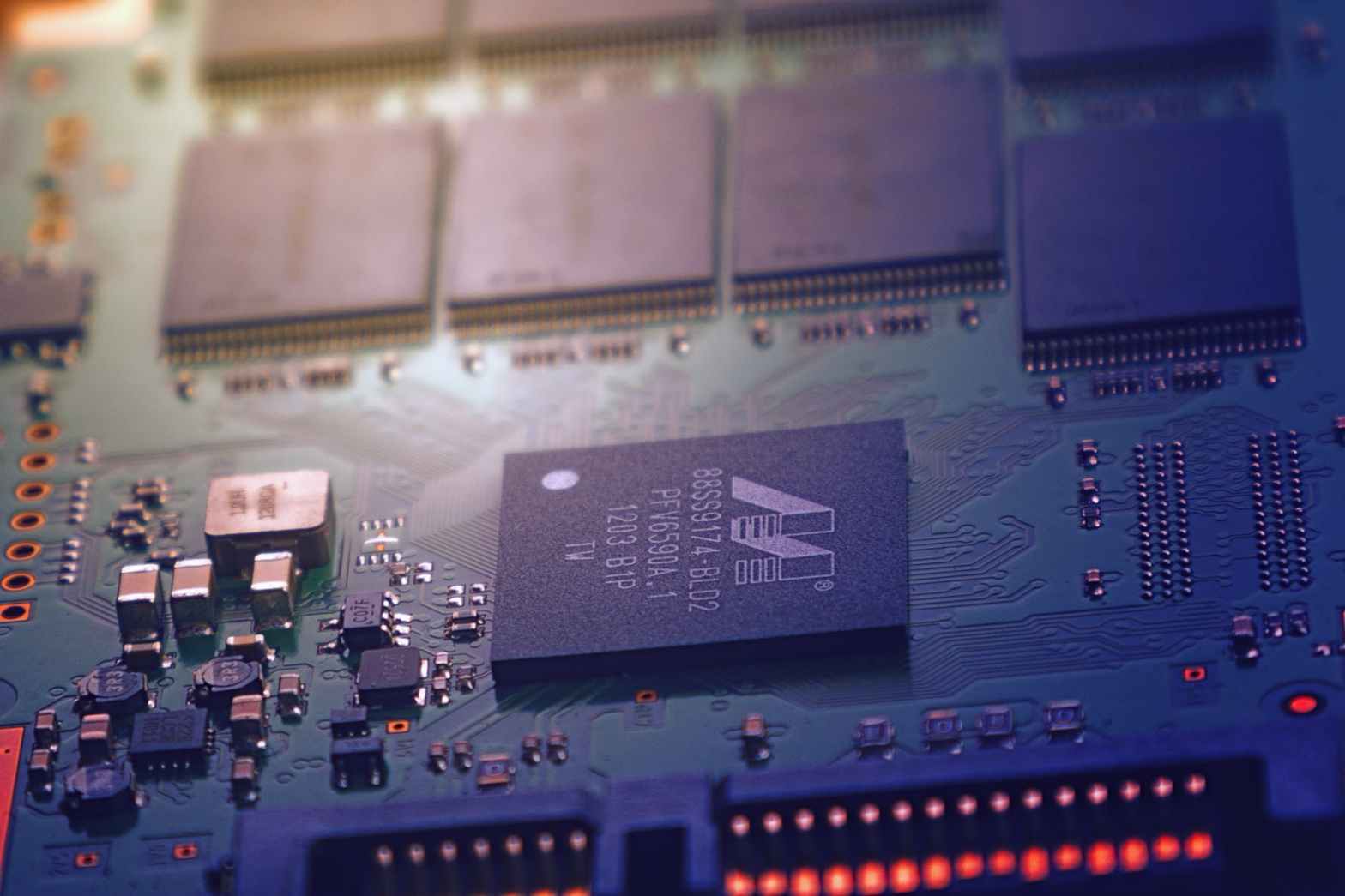
The International System ( SI ) has established internationally accepted values for physical quantities. These agreed-upon values constitute the building blocks of many scientific fields of study, including electronics. Each quantity in question is accompanied by a symbol, and each symbol can be substituted with an SI unit that gives it meaning. Consider the followingContinue reading “INTRODUCTION TO ELECTRONICS: Electrical Quantities and their Corresponding SI Units”
INTRODUCTION TO ELECTRONICS: Electrical Units and Metric Prefixes

Physical realities would be meaningless without internationally standardized definitions that quantify their existence. Within the field of electronics, there are electrical units of measure that are so common that becoming familiar with them is highly advisable for new students. It is important to note that the aforementioned electrical phenomena occur in measured quantities that areContinue reading “INTRODUCTION TO ELECTRONICS: Electrical Units and Metric Prefixes”
INTRODUCTION TO ELECTRONICS: Scientific and Engineering Notation

Within the observable universe, measurements ranging from “ very small “ to “ very large “ can be made. The rules of scientific notation enable such measurements to be expressed in convenient powers of ten. In order to express a number in scientific notation, a number that does not fall between the numbers 1 andContinue reading “INTRODUCTION TO ELECTRONICS: Scientific and Engineering Notation”
INTRODUCTION TO ELECTRONICS: Direct Current ( DC ) Voltage, Current, and Resistance

An introductory discussion of electronics would be remiss without a conceptual analysis of DC voltage ( Vdc ), current ( I ), and resistance ( R ). Most students readily adapt to teaching strategies that relate new topics to familiar themes and everyday life experiences. Visual aids are of preeminent importance to new and seasonedContinue reading “INTRODUCTION TO ELECTRONICS: Direct Current ( DC ) Voltage, Current, and Resistance”
ELECTRONICS: Kirchhoff’s Laws

Q: What are the values of the currents ( I ) and unknown voltage drops ( V ) across the resistors ( R ) pictured below? A: The first problem-solving step involves assigning labels to the junctions ( j ) in the circuit: We must now sketch the currents flowing in the circuit: The currentContinue reading “ELECTRONICS: Kirchhoff’s Laws”
ELECTRICITY: Wattage

Q: A parallel electrical circuit connects the electrical outlets located within a room. A 20-A fuse is put into place to protect the circuit from unexpected surges of current ( I ). The voltage drop across each circuit element is V = 120 V. What is the maximum power ( W ) output that canContinue reading “ELECTRICITY: Wattage”
FINDING THE LOWEST COMMON DENOMINATOR ( LCD ) OF FRACTIONS AND DETERMINING THE TOTAL RESISTANCE ( Rt ) OF PARALLEL ELECTRICAL CIRCUITS:

FINDING THE LOWEST COMMON DENOMINATOR: Let’s first envision putting two half pieces of a pie together to get a full pie. Numerically, this would involve adding ( 1/2 ) + ( 1/2 ) = ( [ 1 + 1 ] / 2 ) = ( 2/2 ) = 1 whole pie. This example was madeContinue reading “FINDING THE LOWEST COMMON DENOMINATOR ( LCD ) OF FRACTIONS AND DETERMINING THE TOTAL RESISTANCE ( Rt ) OF PARALLEL ELECTRICAL CIRCUITS:”
ELECTRICITY: Series and Parallel Electrical Circuits
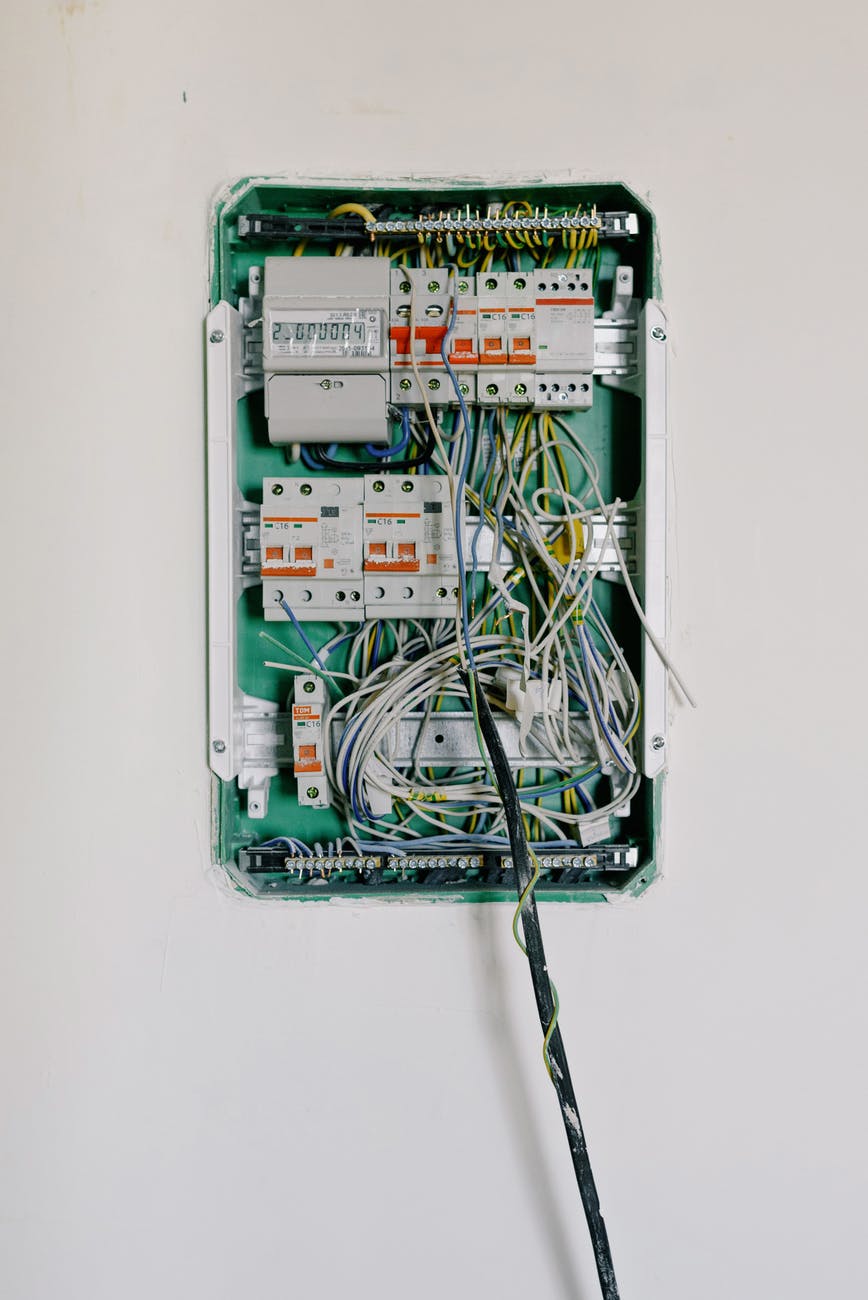
Note: The problem is much easier when one is familiar with what a series vs. parallel circuit looks like. Fortunately, plenty of examples can be found on the internet. Q: Two resistors are submitted to a 12 V potential. When linked together, the current is of 1.33 A. When in parallel, the current is 5.4Continue reading “ELECTRICITY: Series and Parallel Electrical Circuits”
 RENAISSANCE PHYSICS