
Although related, voltage ( V ) and power ( P ) are fundamentally different entities. The voltage within an electrical system is a measure of how many joules ( J ) of energy each coulomb ( C ) of charge ( q ) carries with it. Power is a measure of the rate at whichContinue reading “INTRODUCTION TO ELECTRONICS: Electron Volts vs. Kilowatt Hours ( Part 1 )”
Tag Archives: charge
AP PHYSICS: Trigonometry and Vector Components

Q: A charged species traveling at a constant velocity ( v ) through a magnetic field ( B ) will experience a force if the direction of motion is at a 900 angle with the B-field. How can trigonometry be used to quantify this phenomena? A: The magnetic force ( Fm ) on the chargedContinue reading “AP PHYSICS: Trigonometry and Vector Components”
ELECTROSTATICS: Electric Field at the Center of an Equilateral Triangle

Q: Three point charges located at the corners of an imaginary equilateral triangle carry charges of +8 µC, +3 µC, and -5 µC, respectively. A distance of 0.5 m separates the charges from one another. What net electric field ( E-field ) will a positive test charge experience when placed at the triangle’s center? A:Continue reading “ELECTROSTATICS: Electric Field at the Center of an Equilateral Triangle”
ELECTRICITY: Wattage
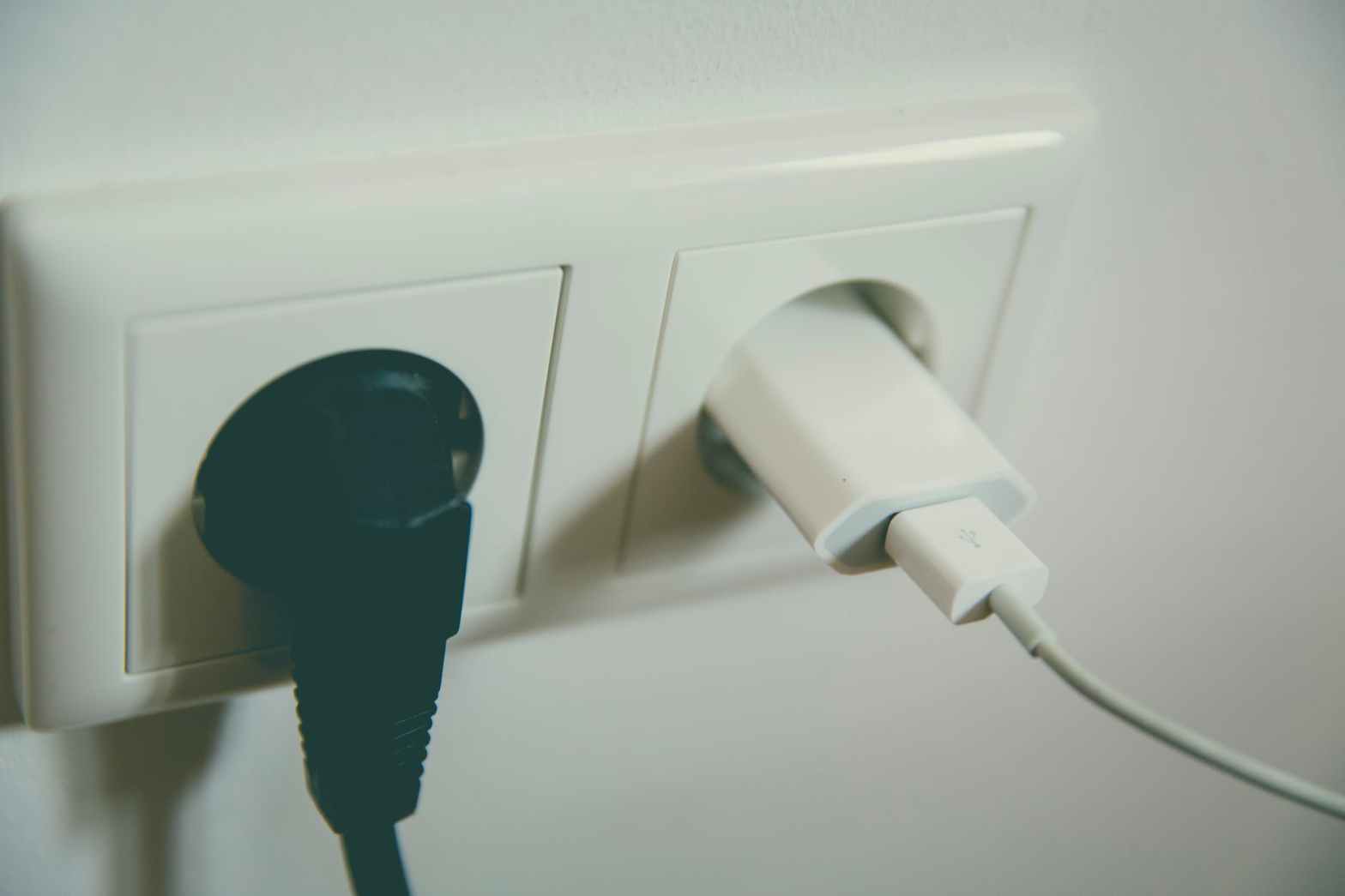
Q: A parallel electrical circuit connects the electrical outlets located within a room. A 20-A fuse is put into place to protect the circuit from unexpected surges of current ( I ). The voltage drop across each circuit element is V = 120 V. What is the maximum power ( W ) output that canContinue reading “ELECTRICITY: Wattage”
 RENAISSANCE PHYSICS