
The number 1 can be formed via the establishment of a ratio of logically related quantities: A = A ( A / A ) = 1 A = B ( A / B ) = 1 And, ( B / A ) = 1 Furthermore, the product of any number multiplied by 1 is theContinue reading “INTRODUCTION TO ELECTRONICS: Metric Prefix Conversions ( Part 2 )”
Tag Archives: metric prefixes
INTRODUCTION TO ELECTRONICS: Metric Prefix Conversions ( Part 1 )

The process by which metric prefixes are converted from one value to another is based upon the following premise: 1 x 1 = 1 This premise can be easily applied to statements of truth that involve variables: a = a ( a / a ) = 1 b = b ( b / b )Continue reading “INTRODUCTION TO ELECTRONICS: Metric Prefix Conversions ( Part 1 )”
INTRODUCTION TO ELECTRONICS: Electrical Quantities and their Corresponding SI Units
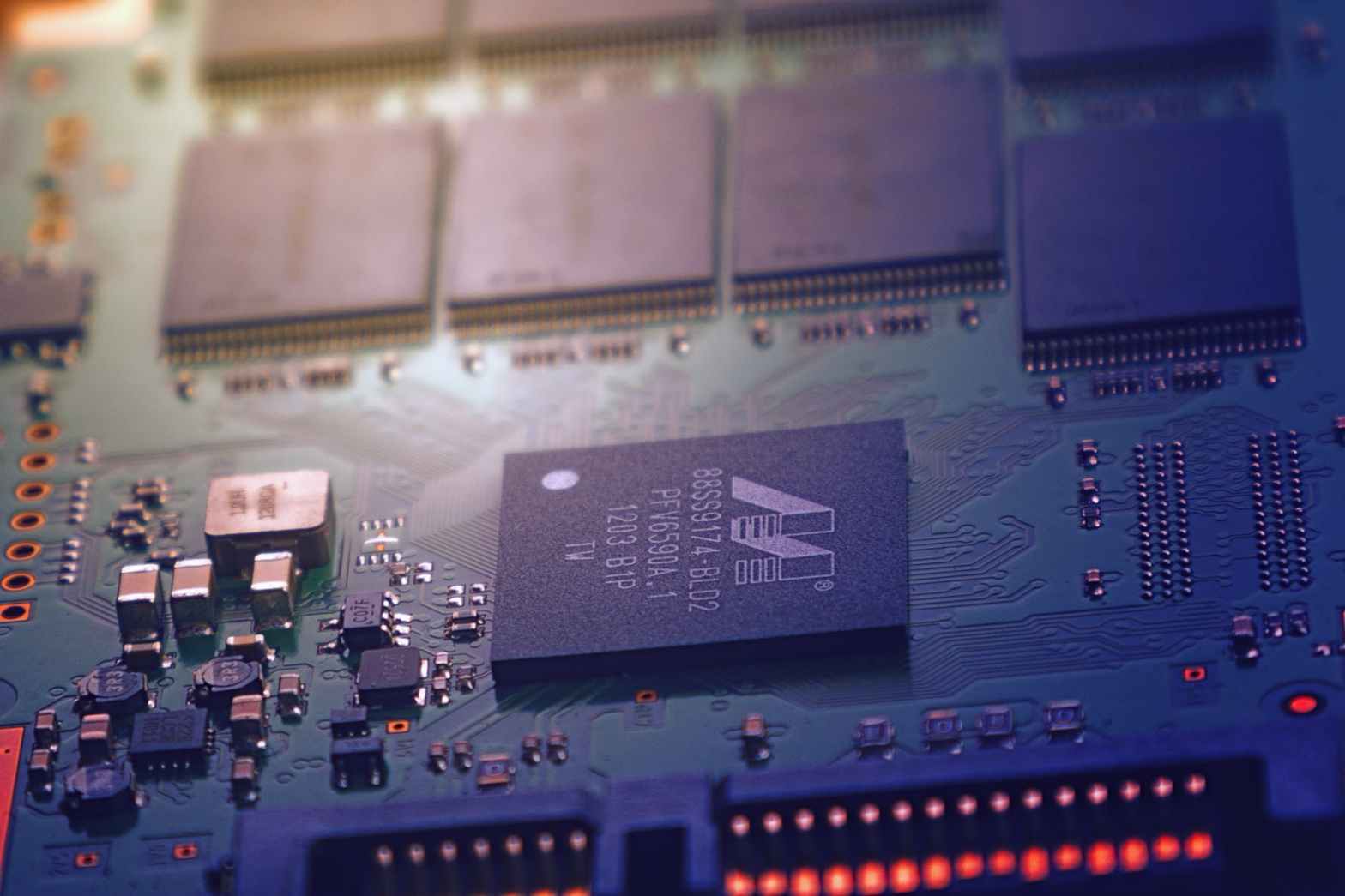
The International System ( SI ) has established internationally accepted values for physical quantities. These agreed-upon values constitute the building blocks of many scientific fields of study, including electronics. Each quantity in question is accompanied by a symbol, and each symbol can be substituted with an SI unit that gives it meaning. Consider the followingContinue reading “INTRODUCTION TO ELECTRONICS: Electrical Quantities and their Corresponding SI Units”
INTRODUCTION TO ELECTRONICS: Electrical Units and Metric Prefixes

Physical realities would be meaningless without internationally standardized definitions that quantify their existence. Within the field of electronics, there are electrical units of measure that are so common that becoming familiar with them is highly advisable for new students. It is important to note that the aforementioned electrical phenomena occur in measured quantities that areContinue reading “INTRODUCTION TO ELECTRONICS: Electrical Units and Metric Prefixes”
 RENAISSANCE PHYSICS