
Q: A 0.2 m container is full of a fluid of unknown density ( ρ ). A spigot at the bottom of the container is opened to allow fluid to flow at an unknown velocity ( v ) onto the ground. With what velocity will the fluid flow through the spigot? A: In a separateContinue reading “FLUIDS: Potential Energy, Kinetic Energy, Momentum, and Torricelli’s Theorem”
Tag Archives: Pascals
FLUIDS: Torricelli’s Theorem and the Conservation of Energy

The Law of Conservation of Energy states that energy can neither be created nor destroyed, but it does have the ability to change forms. Take for example an object of mass ( m ) that has been raised to some arbitrary height ( h ). The work ( W ) done on the object isContinue reading “FLUIDS: Torricelli’s Theorem and the Conservation of Energy”
SOLIDS: Stress
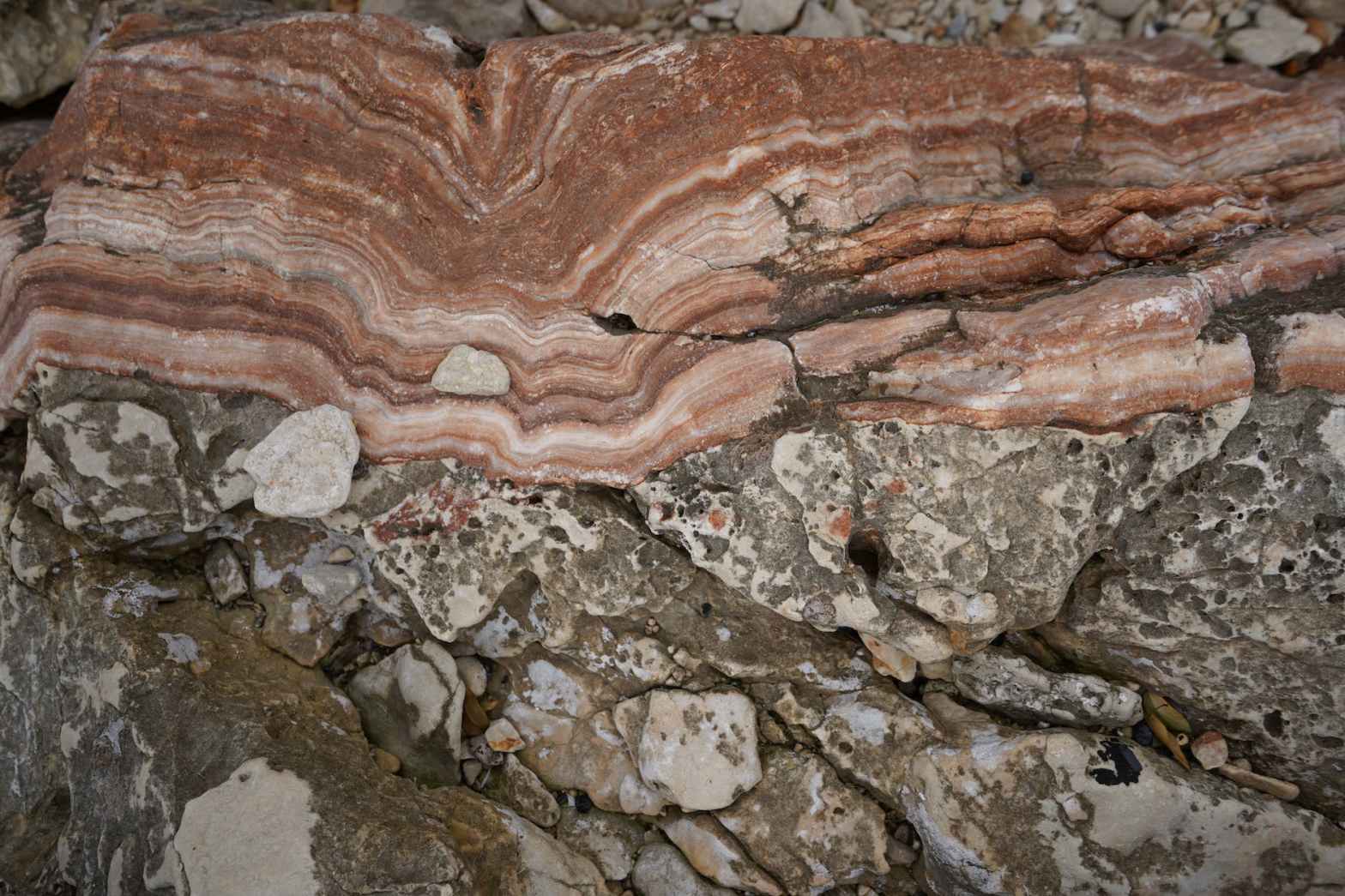
In a previous question-and-answer sequence, the spring constant ( k ) for a car’s shock absorbers was determined. Interestingly enough, when the net force exerted by all four shock absorbers was determined, an entirely different spring constant of ( k’ ) was derived. Why would the fraction of the system’s net force ( ¼ FsContinue reading “SOLIDS: Stress”
FLUIDS: Gauge Pressure as a Function of Fluid Depth
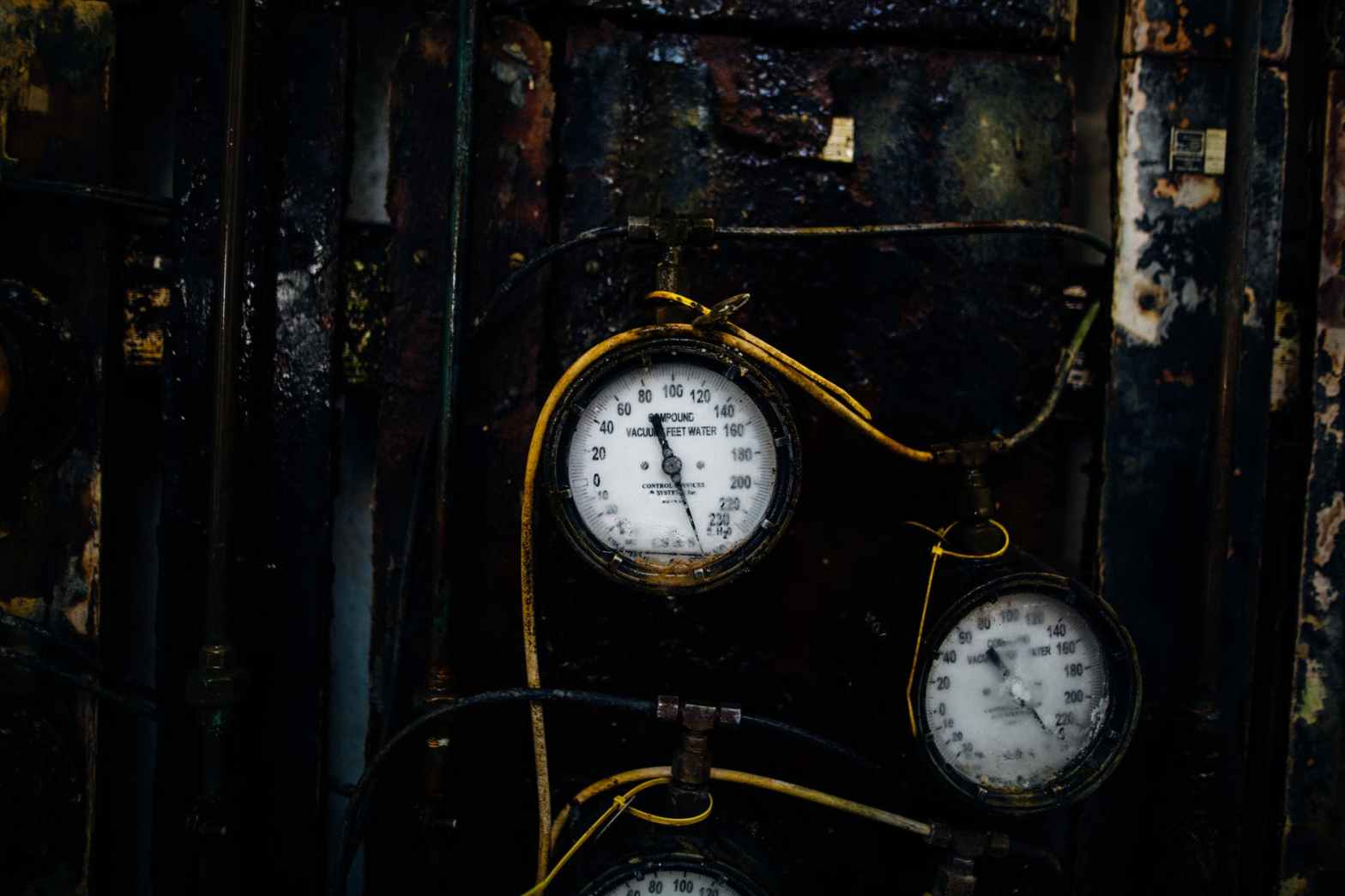
Q: What is the gauge pressure (in psi) at the bottom of a body of water that is 18.7 ft deep? A: Pressure in Pascals ( P ) = ( ρ )( g )( h ), where ρ is the density of the fluid medium in units of mass per unit volume ( m /Continue reading “FLUIDS: Gauge Pressure as a Function of Fluid Depth”
 RENAISSANCE PHYSICS